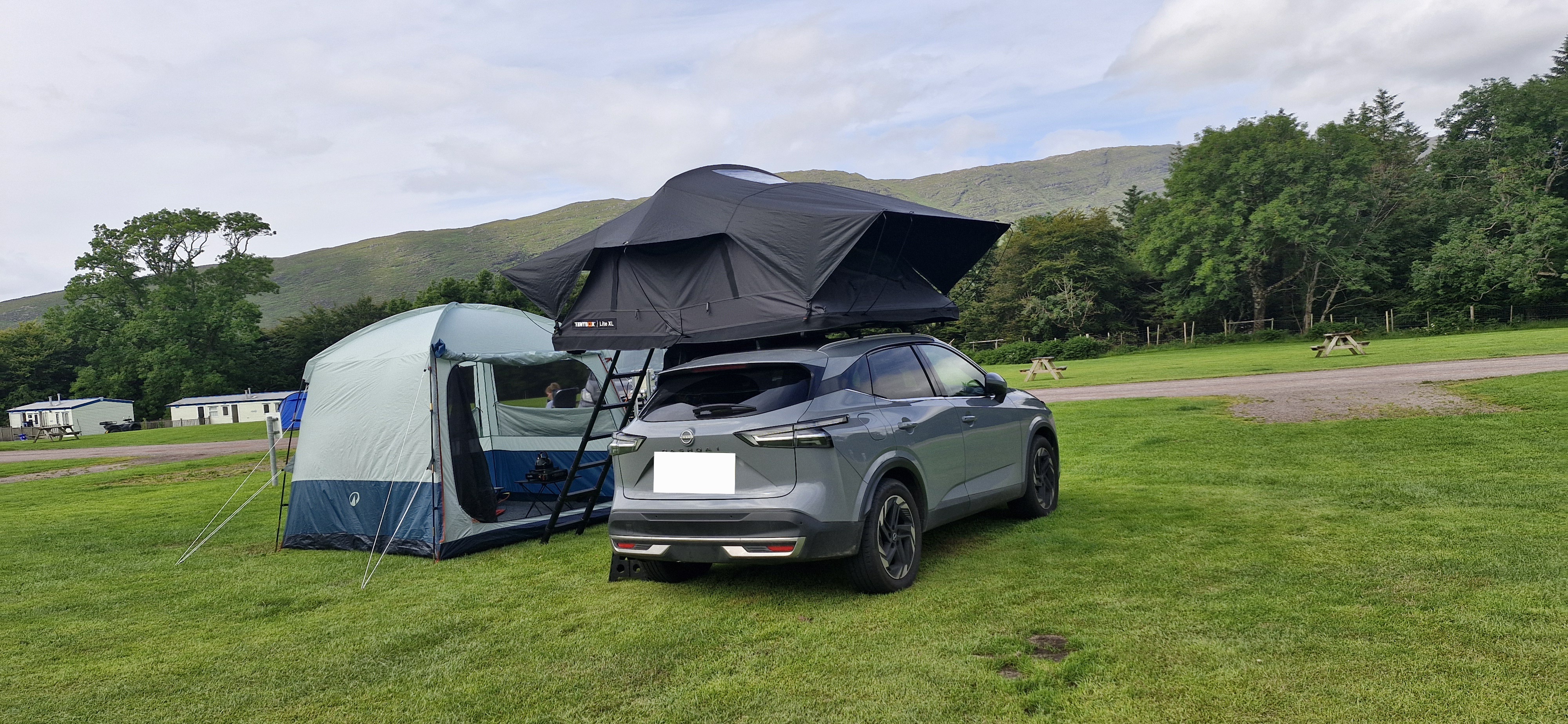
I've been camping for years
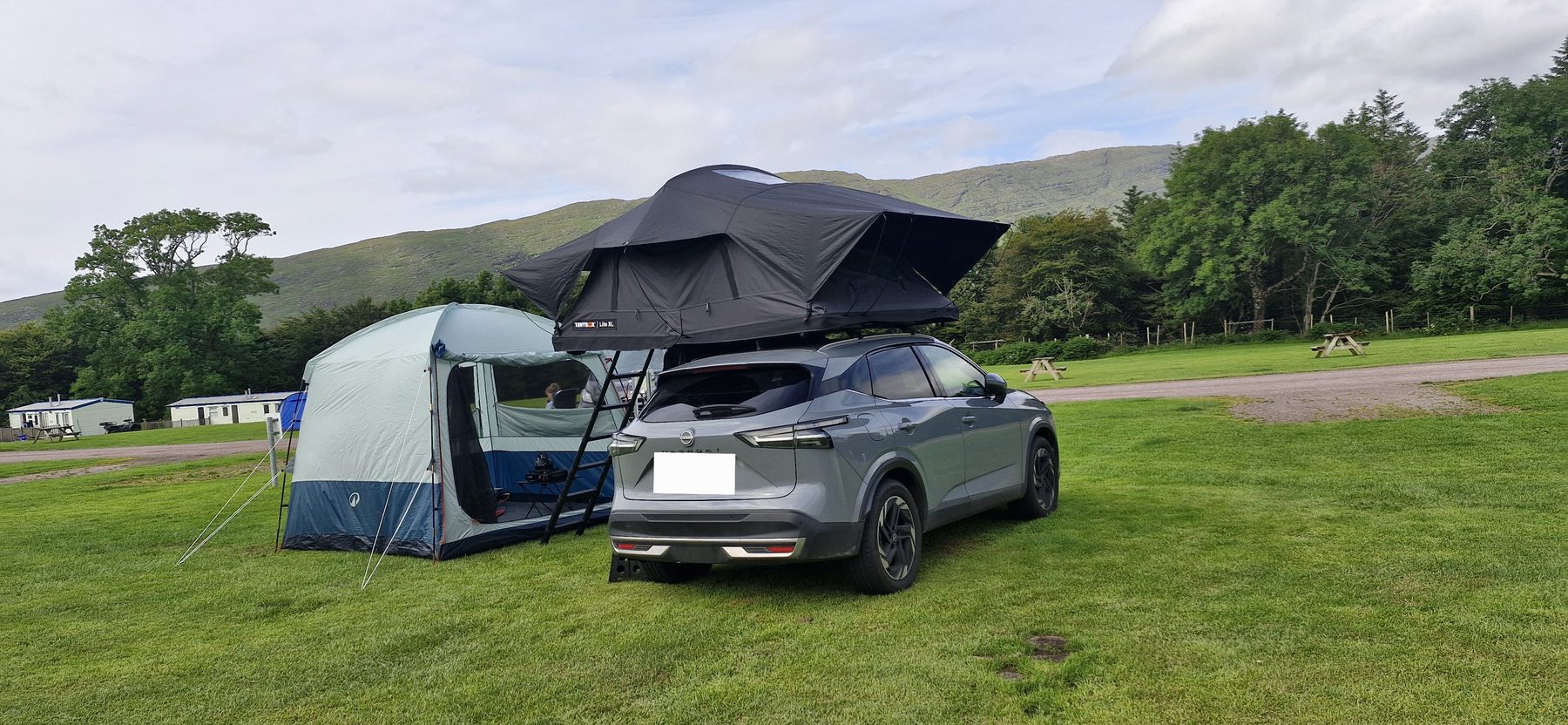
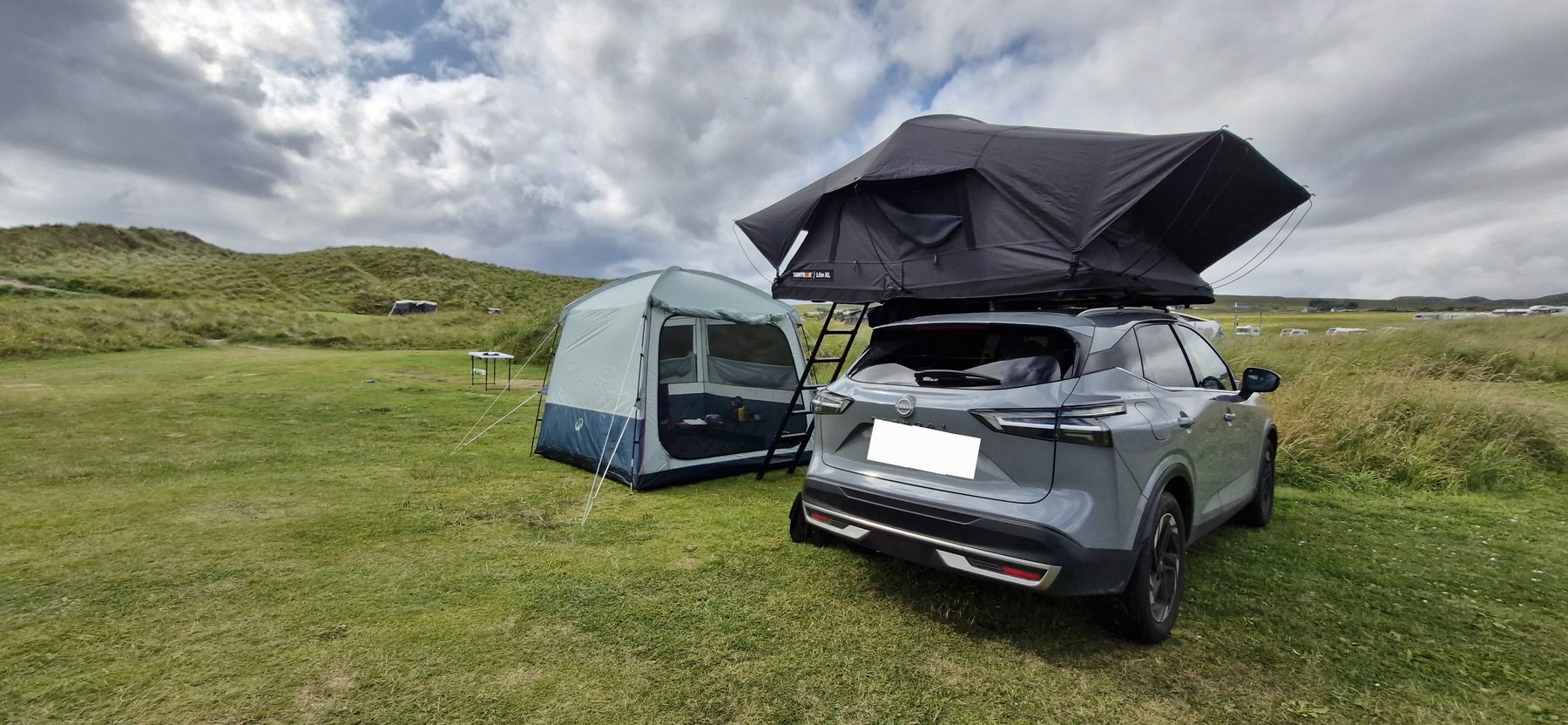
Before purchasing my TentBox, I camped in regular tents for years. Sometimes I took my 5-man Vango or 4-man Highlander Juniper tent if I had my kids with me. If I was camping alone, I usually took my 4-man or 2-man Naturehike tent.
Yes, you read that right. I have four tents in my house and a TentBox on my car.
Over the years I've built up quite a substantial collection of camping equipment. In fact, I've got several camping storage boxes now, and most of my gear no longer leaves my car.
These are some of the things I've used over the years that have become part of my regular camping setup.
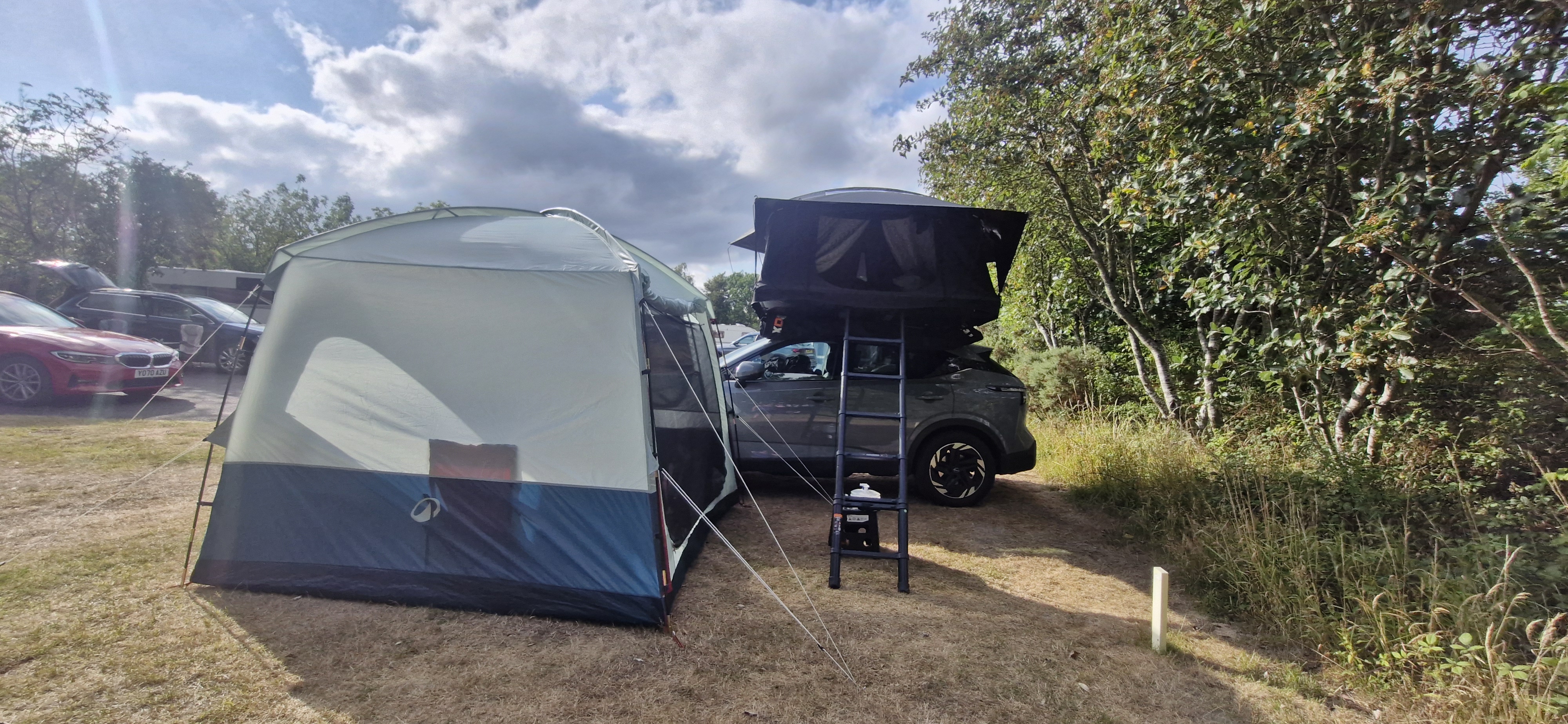
Four tents, one TentBox
One of the things I've learned from camping regularly is that there isn't necessarily one perfect tent for every trip.
When I had the kids with me, I wanted more space, so my larger tents came into their own. My 5-man Vango and 4-man Highlander Juniper gave us the room we needed for family camping.
When I was camping alone, I could go smaller. My Naturehike tents were much more suited to those trips when I wanted something more compact.
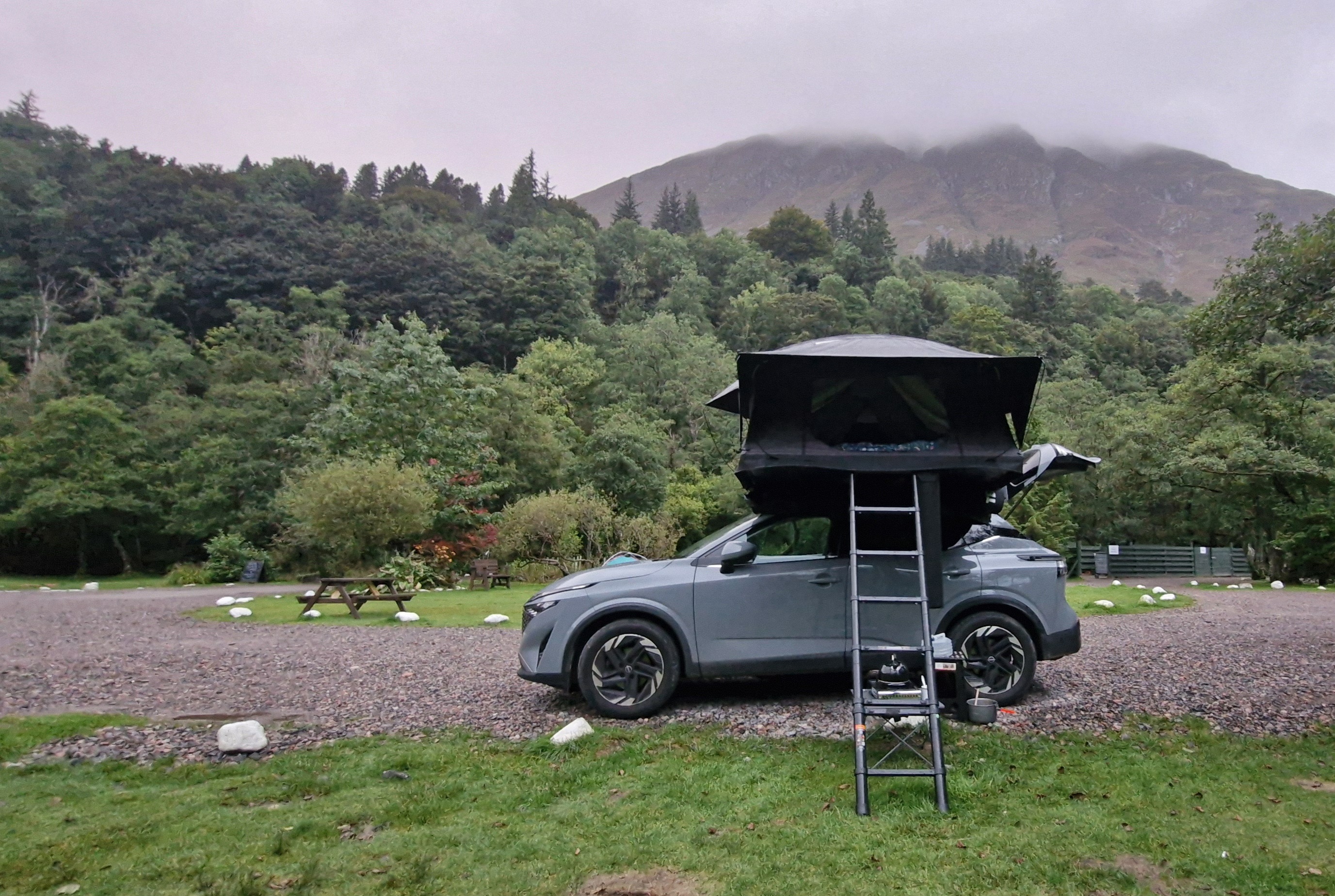
And now, of course, I have my TentBox. It has completely changed how easy it is for me to decide that I fancy going camping.
So yes, I currently have four traditional tents and a TentBox. Maybe that's excessive. But when you camp as often as I do, having different options actually makes sense!
My camping kit has basically become permanent
My TentBox has made spontaneous camping ridiculously easy.
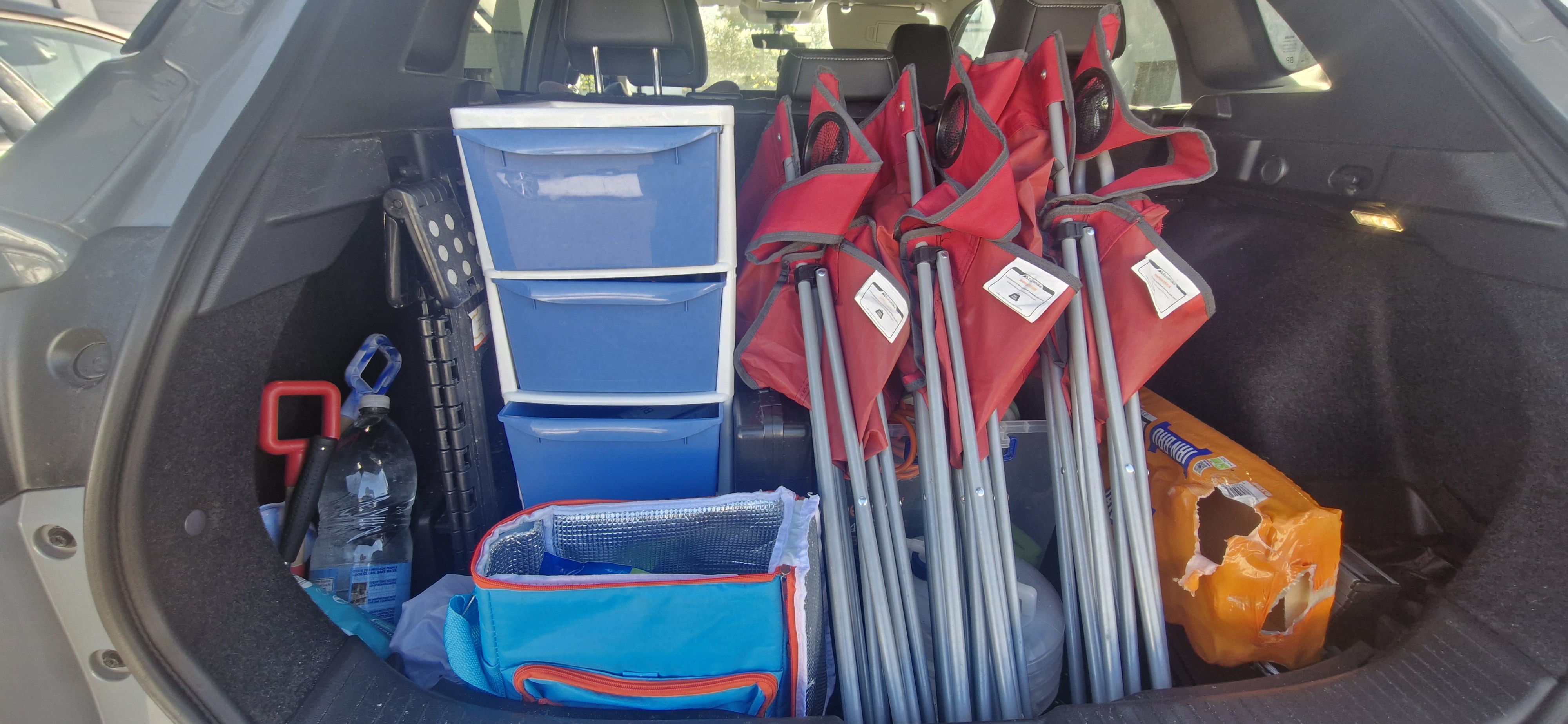
Because I go camping so frequently, most of my camping equipment doesn't actually leave my car anymore.
I have a large plastic box which stores my pots, pans, kettle, chopping boards and other cooking equipment. I also have a four-drawer plastic unit which stores my first aid kit, lights and torches, plates, cups, cutlery, utensils and spare gas canisters.
Then there are my three camping chairs, a gas stove and two camping tables.
There was really no point in taking everything out of the car after every trip, only to put it all back in again a few days later. So most of my camping gear now simply stays packed and ready.
Making camping easy means I camp more
I've found that one of the biggest barriers to camping isn't necessarily the camping itself. It's the preparation.
If every trip means searching the house for your stove, kettle, tent pegs, lights, plates and cooking equipment, packing can become a chore.
I've removed a lot of that hassle by simply keeping my camping equipment together and ready to go.
Now, when I decide I want to go camping, I don't have to start from scratch.
💡 My biggest camping tip
Make it easy to go camping.
The more prepared your camping kit is, the easier it is to say, "Let's go."
🛏️ Sleeping essentials
A good night's sleep can make a huge difference to how much you enjoy camping.
When I was using traditional tents, an airbed was one of the easiest ways to make sleeping more comfortable. Because I was usually travelling by car rather than carrying everything on my back, I didn't mind taking a little extra equipment for the sake of comfort.
Sleeping bags have also been an important part of my traditional tent camping setup, particularly when camping during colder weather.
These days my TentBox setup is a little different. I keep my duvet and pillows stored in two large storage bags, which keeps them dry and compact while they're travelling in the car.
🍳 Cooking and eating
I don't have a fancy camping kitchen. I have a collection of equipment that I know I will actually use.
My large camping storage box contains my pots, pans, kettle and chopping boards, while my gas stove stays with the rest of my camping equipment.
I also keep dedicated camping plates, cups, cutlery and utensils ready to go.
Having everything together means I don't have to raid the kitchen cupboards every time I decide to spend a night outdoors.
🧺 Storage and organisation
Camping storage might not sound particularly exciting, but it has become one of my favourite parts of having an organised camping setup.
I don't want dozens of loose pieces of equipment rolling around the boot of my car. I want everything to have a home.
My plastic boxes and drawer unit mean I know where everything is, whether I'm looking for a torch, a cup, some cutlery or the first aid kit.
I've also found collapsible equipment particularly useful because it can be packed away when it's not needed.
🪑 Camping chairs and tables
Because I normally travel to my camping spots by car, I don't mind taking a few larger items with me if they make the trip more comfortable.
I currently keep three camping chairs and two camping tables with my camping equipment.
A table gives me somewhere to prepare food, cook, eat or simply put my things. And after a long day outside, being able to sit down properly with a hot drink is one of those little camping luxuries I really appreciate.
💡 Lighting and torches
Never underestimate how dark a campsite can get.
I keep several lights and torches in my camping storage drawers, so I always have something available once the sun goes down.
I like having different types of lighting rather than relying on one torch. A head torch is useful because it leaves both hands free, while a larger camping light can illuminate the tent or cooking area.
Having spare lighting is one of those small things that you don't appreciate until you need it.
⛺ The little tent essentials
Some of the least exciting pieces of camping equipment are the things you really don't want to forget.
A camping mallet, spare tent pegs and something to help remove stubborn pegs have all earned a permanent place in my camping kit.
Tent pegs aren't particularly exciting until you're standing in the rain trying to get one out of the ground!
So what do I actually need to pack now?
This is probably my favourite thing about having a permanent camping setup.
My TentBox is ready to go and most of my camping equipment stays in the car.
My duvet and pillows are stored in two large bags that keep them dry and compact.
So when I decide to go camping, I don't have to spend hours gathering equipment from around the house.
I just need to collect my storage bags, gather some food and snacks, grab some clothes and I'm basically ready to go.
That's the beauty of having a camping setup that works for you.
My camping essentials checklist
Here's a quick reminder of the equipment that has become part of my regular camping setup:
- ☐ Tent or TentBox
- ☐ Sleeping bag or duvet
- ☐ Airbed or sleeping mat
- ☐ Camping stove
- ☐ Gas
- ☐ Pots and pans
- ☐ Kettle
- ☐ Plates and cups
- ☐ Cutlery and utensils
- ☐ Water container
- ☐ Camping chairs
- ☐ Camping table
- ☐ Camping lights
- ☐ Torches
- ☐ First aid kit
- ☐ Tent pegs
- ☐ Camping mallet
- ☐ Food and snacks
- ☐ Suitable clothing
You don't need all of this to go camping
There's one thing I definitely don't want this post to become: a list of everything you supposedly need to buy before going camping.
You don't.
When I started camping, I certainly didn't have all of this. I've accumulated my equipment gradually over years of camping, and a lot of it has been bought because I go camping frequently enough to justify having it.
If you're just starting out, you don't need four tents, two camping tables and enough storage boxes to make it look like you've moved house!
Start with the basics. Get out there, work out what you actually use and then build your camping setup around the way you like to camp.
My camping kit is always evolving
Even now, I'm still adding things and changing my setup.
That's one of the things I enjoy about camping. There's always something that can make a trip easier, more comfortable or simply more enjoyable.
But after years of camping in everything from small Naturehike tents to larger family tents and now my TentBox, I've realised that the most useful camping equipment isn't necessarily the most expensive.
It's the equipment that gets used.
And for me, the ultimate camping luxury isn't owning lots of kit.
It's being able to decide on a camping trip and be ready to go.
Grab the food. Grab the clothes. Close the car door. Go.